Why Antidepressants Sometimes Need to Be Adjusted Over Time
Antidepressants can be helpful for many people with depression and anxiety, but treatment is not always static. A medication that works well at one point may later need to be adjusted because symptoms change, side effects emerge, or the original benefit is no longer strong enough.
That does not necessarily mean the medication has “failed.” Psychiatric treatment often involves monitoring how well a medication is working over time and deciding whether the dose, timing, or overall treatment plan still fits the patient’s needs.
Symptoms Can Change
Depression and anxiety do not always remain the same from month to month or year to year.
A patient may initially struggle most with low mood and hopelessness, then later experience more fatigue, poor concentration, sleep problems, or loss of motivation.
Those shifts matter because treatment decisions should reflect the current symptom pattern rather than only the symptoms that were present when treatment began.
If important symptoms remain, a psychiatrist may consider adjusting the medication plan or adding another form of treatment.

The Initial Dose May Need Refinement
Many antidepressants are started at a lower dose and adjusted gradually.
This gives the clinician an opportunity to evaluate both effectiveness and tolerability.
If the medication is helping but the improvement is incomplete, a dose change may be considered. If side effects become more noticeable at a higher dose, another strategy may make more sense.
Dose adjustments should always be guided by a clinician because antidepressants can affect people differently and should not be increased, decreased, or stopped abruptly without medical advice.
Side Effects Can Change Over Time
Some side effects appear early and improve as the body adapts.
Others may persist or become more important over time.
Patients may experience changes in sleep, appetite, sexual function, energy, gastrointestinal symptoms, or emotional responsiveness depending on the medication and individual response.
These issues are worth discussing openly.
A medication can improve one area while creating problems in another, and treatment decisions should take both into account.

A Medication May Stop Helping as Much
Some patients report that a medication that once worked well seems less effective later.
This can happen for several reasons, and it does not always mean the drug itself has permanently stopped working.
Changes in stress, sleep, medical conditions, other medications, substance use, or the underlying course of depression can all influence how someone feels.
A careful review can help determine whether the issue is true loss of benefit or whether another factor is contributing.
Medication Management Should Look at the Whole Picture
Good medication management involves more than reviewing a prescription list.
A psychiatrist may ask about sleep, appetite, energy, concentration, work performance, relationships, side effects, and changes in daily functioning.
The goal is to understand how the treatment is affecting the person as a whole.
At Apex Interventional Psychiatry, medication management may also be considered alongside interventional options such as
TMS or
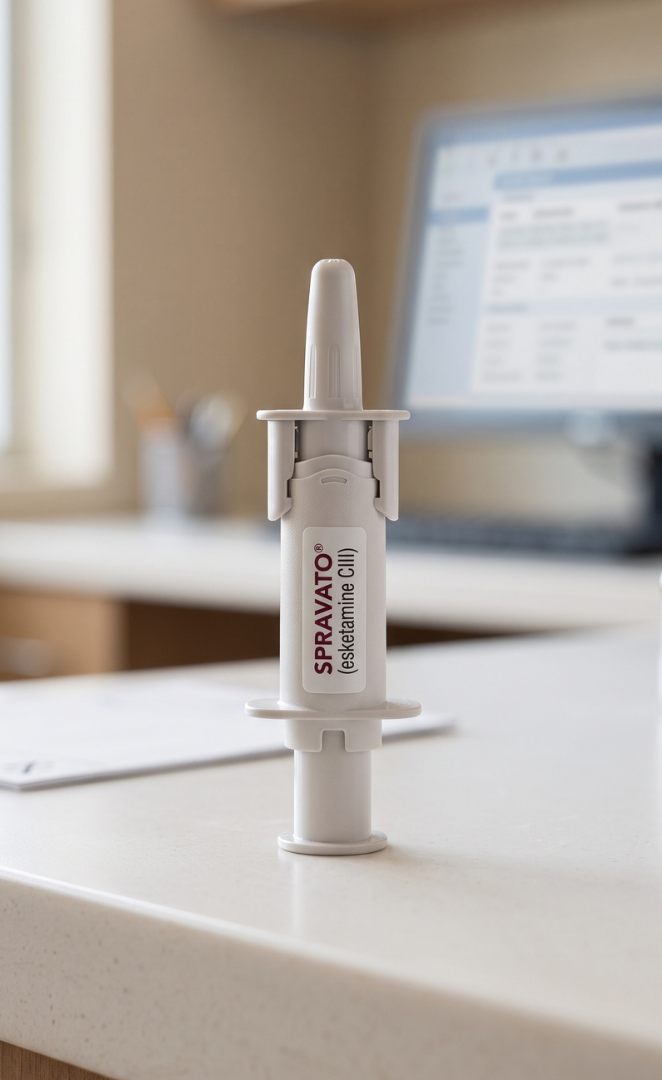
SPRAVATO® when clinically appropriate.

Reassessment Is Part of Good Care
Needing a medication adjustment is not unusual.
Depression treatment often requires ongoing reassessment because symptoms, life circumstances, and treatment response can all change.
What matters is whether the current plan is still helping the patient move toward better function and symptom relief.
Review the Plan Instead of Guessing
If an antidepressant seems less effective, side effects are becoming harder to tolerate, or important symptoms remain, the next step should be a clinical review rather than self-adjustment.
Apex Interventional Psychiatry provides medication management and interventional treatment options for patients whose depression or anxiety may need a more individualized approach.
If your current medication no longer seems to fit your needs, contact Apex Interventional Psychiatry to schedule an evaluation and discuss whether an adjustment or broader treatment plan may be appropriate.