BLOG

Antidepressants can be helpful for many people with depression and anxiety, but treatment is not always static. A medication that works well at one point may later need to be adjusted because symptoms change, side effects emerge, or the original benefit is no longer strong enough. That does not necessarily mean the medication has “failed.” Psychiatric treatment often involves monitoring how well a medication is working over time and deciding whether the dose, timing, or overall treatment plan still fits the patient’s needs. Symptoms Can Change Depression and anxiety do not always remain the same from month to month or year to year. A patient may initially struggle most with low mood and hopelessness, then later experience more fatigue, poor concentration, sleep problems, or loss of motivation. Those shifts matter because treatment decisions should reflect the current symptom pattern rather than only the symptoms that were present when treatment began. If important symptoms remain, a psychiatrist may consider adjusting the medication plan or adding another form of treatment.

Anxiety and depression are different conditions, but they frequently overlap. A person may feel persistently worried, tense, or fearful while also experiencing low mood, fatigue, loss of interest, or difficulty functioning. This combination can make symptoms harder to recognize because one condition may seem more obvious than the other. It can also affect treatment planning. The National Institute of Mental Health notes that anxiety disorders can occur alongside depression and that co-occurring conditions may require a more comprehensive approach to care.

Depression is often associated with sadness, but not everyone with depression primarily feels sad. For some people, one of the most disruptive symptoms is a loss of interest, enjoyment, or pleasure in activities that once felt meaningful. This symptom is called anhedonia . Someone experiencing anhedonia may still go to work, complete household responsibilities, or spend time with family, yet feel emotionally disconnected from those experiences. The National Institute of Mental Health identifies loss of interest or pleasure in hobbies and activities as a common symptom of depression. Understanding what anhedonia looks like in ordinary life can make it easier to recognize when depression may need professional evaluation. Hobbies May Stop Feeling Rewarding A person with anhedonia may continue doing activities they once enjoyed but notice that the emotional reward is missing . Music may sound ordinary rather than exciting. A favorite television show may no longer hold attention. Gardening, exercise, cooking, reading, gaming, or other hobbies may begin to feel like chores. Sometimes people stop participating altogether because they assume they have simply lost interest. The difference is often broader than changing tastes. With anhedonia, multiple previously enjoyable activities may begin to feel flat or unrewarding.

Antidepressants are often an important part of depression treatment, but they do not work equally well for everyone. Some people experience only partial improvement, while others continue to have significant symptoms despite trying more than one medication. When depression remains difficult to treat, a psychiatrist may consider additional options such as transcranial magnetic stimulation, or TMS . TMS is a noninvasive treatment that uses magnetic pulses to stimulate areas of the brain involved in mood regulation. It is commonly considered when standard approaches have not provided enough relief.

For many people with depression, treatment begins with an oral antidepressant. These medications can be effective, but some patients continue to experience significant symptoms despite trying appropriate treatments. In certain situations, a psychiatrist may consider a different approach, including SPRAVATO® ( esketamine ) nasal spray. SPRAVATO is not simply another version of a traditional antidepressant. It differs in how it is administered, how it acts in the brain, how quickly treatment is structured, and the level of medical supervision required.

When an antidepressant does not provide enough improvement, it can be discouraging. Some patients may immediately wonder whether they have treatment-resistant depression. However, one unsuccessful medication trial does not usually provide enough information to make that determination. Psychiatrists look at the broader treatment history, including which medication was used, the dose, how long it was taken, whether it was taken consistently, side effects, and the degree of symptom improvement. An adequate medication trial generally needs sufficient dose and duration before clinicians can reasonably decide that the treatment was not effective. Antidepressants Do Not Work the Same Way for Everyone Depression is a complex condition, and treatment response varies significantly from person to person. A medication that works well for one patient may provide only partial relief for another. Someone else may experience side effects that make the medication difficult to continue. This variability is one reason psychiatrists often need to adjust treatment over time rather than expecting the first prescription to be the final answer. NIMH’s large STAR*D study specifically examined what happens when people with major depression do not respond adequately to an initial antidepressant and need additional treatment steps.

Depression treatment is not one-size-fits-all. Two people with similar symptoms may respond very differently to the same medication or therapy. For that reason, psychiatrists consider a patient’s diagnosis, treatment history, symptom severity, medical history, previous side effects, personal preferences, and other clinical factors before recommending the next step. For some patients, medication management remains an appropriate starting point or ongoing strategy. Others may be candidates for treatments such as transcranial magnetic stimulation ( TMS ) or SPRAVATO® (esketamine). The decision generally comes from a comprehensive psychiatric evaluation rather than simply choosing one treatment over another. Medication Is Often an Important Starting Point Antidepressant medications remain an established component of depression treatment. A psychiatrist may consider which medications a patient has already tried, how long they were taken, whether the doses were adequate, how symptoms changed, and whether side effects occurred. Medication management is also an ongoing process. Treatment may involve adjusting a dose, changing medications, or reassessing whether a particular medication continues to provide sufficient benefit. If depression remains persistent despite appropriate treatment attempts, the psychiatrist may begin considering additional options.

Medication can play an important role in the treatment of depression, anxiety disorders, bipolar disorder, and many other mental health conditions. However, effective treatment involves much more than simply prescribing a medication. Every individual responds differently to treatment, and finding the most appropriate approach often requires careful evaluation, ongoing monitoring, and regular communication between the patient and their provider. This comprehensive process is known as psychiatric medication management. Psychiatric medication management is designed to help ensure that medications continue to support a patient’s treatment goals while considering effectiveness, side effects, lifestyle, and any changes in symptoms over time. At Apex Interventional Psychiatry, medication management is provided as part of a personalized, evidence-based approach to mental health care. More Than Writing a Prescription Many people assume medication management simply involves renewing prescriptions at regular intervals. In reality, it is a collaborative process that begins with a thorough psychiatric evaluation and continues throughout treatment. During appointments, providers review current symptoms, discuss any changes in mood or functioning, evaluate how well medications are working, and address any concerns the patient may have. This ongoing assessment helps determine whether the current treatment plan remains appropriate or whether adjustments should be considered. Because mental health conditions and individual circumstances can change over time, regular follow-up visits are an essential part of effective care.
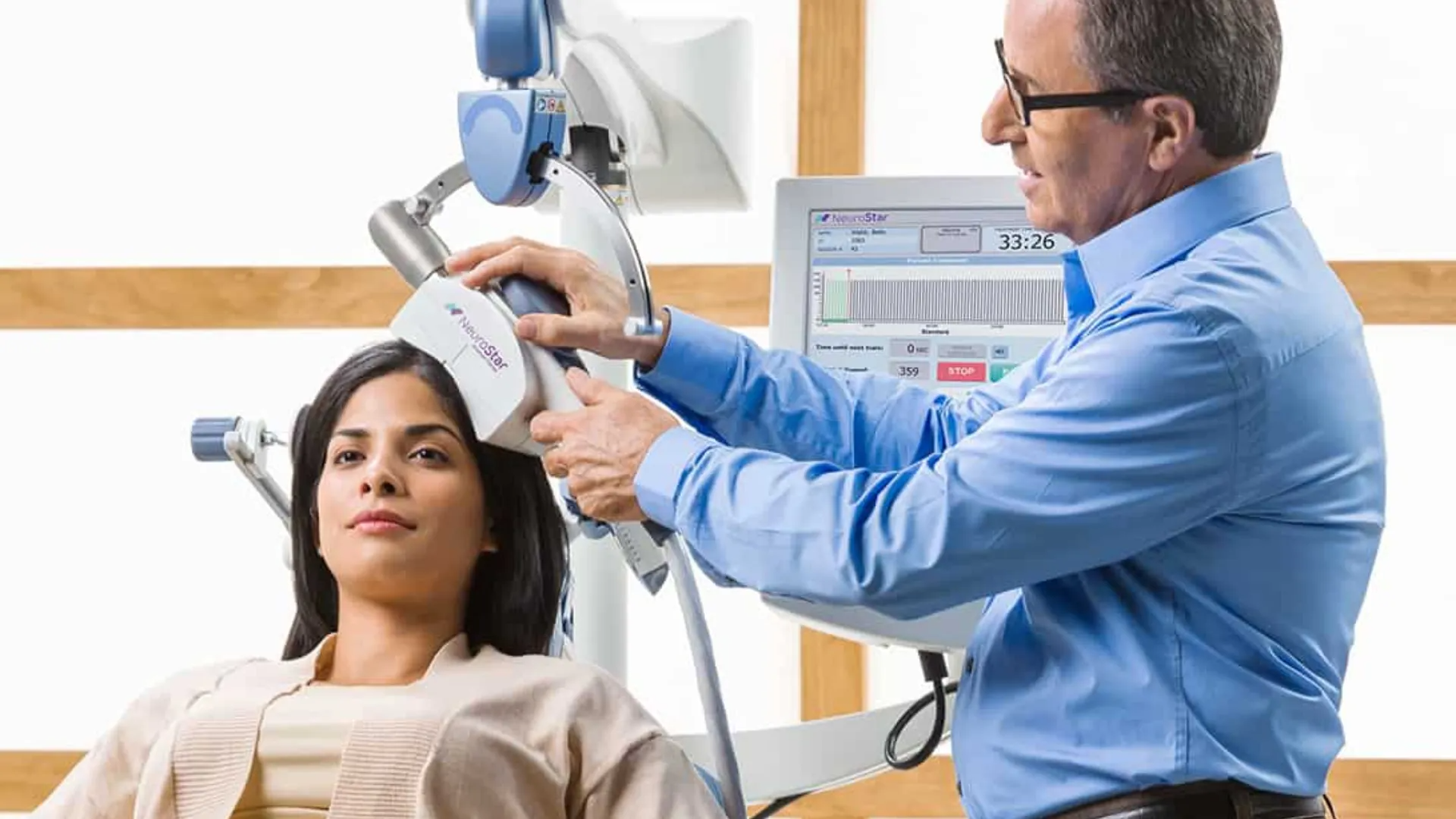
When someone is considering Transcranial Magnetic Stimulation ( TMS ), it is natural to have questions about the treatment process. Many patients have already explored other approaches for depression and want to understand how TMS works, what treatment involves, and whether it may be appropriate for their situation. Learning the facts can help patients feel more informed and confident when discussing their options with a qualified mental health professional. At Apex Interventional Psychiatry, patient education is an important part of the evaluation process. Every treatment plan begins with a comprehensive assessment to determine whether TMS is an appropriate option based on an individual’s medical history, symptoms, and treatment goals. What Is TMS? TMS is a non-invasive treatment that uses targeted magnetic pulses to stimulate specific areas of the brain involved in mood regulation. The treatment is approved by the U.S. Food and Drug Administration (FDA) for certain patients with major depressive disorder, and it may also be appropriate for other conditions depending on the clinical situation and current FDA clearances. Unlike surgical procedures, TMS does not require incisions or implanted devices . It is performed in an outpatient setting under the supervision of trained healthcare professionals.

Mental health conditions affect millions of people each year, yet misconceptions about treatment remain surprisingly common. These misunderstandings can discourage individuals from seeking help, delay appropriate care, or create unnecessary anxiety about what treatment actually involves. The reality is that modern psychiatry offers a wide range of evidence-based treatment options tailored to each person’s unique needs. Understanding the facts behind some of the most common myths can help people make informed decisions about their mental health. Misconception #1: Seeking Help Is a Sign of Weakness One of the most persistent myths is that asking for professional help means someone is weak or unable to handle life’s challenges. In reality, recognizing when you need support is a sign of self-awareness and courage. Mental health conditions such as depression and anxiety are medical conditions that can affect people of all ages and backgrounds. Just as someone would seek treatment for a physical illness, it is appropriate to seek professional care for concerns involving mental health. Early evaluation and treatment may help individuals better understand their symptoms and explore appropriate treatment options.

For many people, seeking treatment for depression or other mental health conditions begins with questions. You may have heard the term interventional psychiatry but are unsure what it means or whether it is appropriate for your situation. Learning about this specialized area of mental health care can help you have more informed conversations with your healthcare provider and better understand the treatment options that may be available. At Apex Interventional Psychiatry, we believe that education is an important part of mental health care. Here are answers to some of the questions patients ask most frequently about interventional psychiatry. What Is Interventional Psychiatry? Interventional psychiatry is a subspecialty of psychiatry that focuses on evidence-based treatments beyond traditional medication management and psychotherapy. These treatments may be considered for certain patients whose symptoms have not improved sufficiently with conventional approaches alone. Depending on an individual’s diagnosis, medical history, and treatment goals, interventional psychiatry may include therapies such as Transcranial Magnetic Stimulation ( TMS ) or Spravato® ( esketamine ) nasal spray, when clinically appropriate.

Despite growing awareness of mental health, many misconceptions about depression still exist. One of the most common is the belief that depression is simply a matter of willpower or attitude. In reality, depression is a complex medical condition that can affect people of all ages, backgrounds, and life experiences. It is not a sign of personal weakness, lack of character, or failure . Understanding this distinction is an important step toward reducing stigma and helping more people feel comfortable seeking professional care. Depression Is More Than Feeling Sad Everyone experiences periods of sadness, disappointment, or grief. These emotions are a normal part of life and often improve with time. Depression is different . It can involve persistent symptoms that affect how a person thinks, feels, and functions on a daily basis. Individuals may experience changes in mood, sleep, energy levels, concentration, appetite, or interest in activities they once enjoyed. For some people, these symptoms can make work, school, relationships, and everyday responsibilities much more difficult. Because depression affects each person differently, no two experiences are exactly alike.
get in touch with us today
Fill out the form below, and we will reach back out to you as soon as possible.