Common Questions Patients Ask About TMS
When someone is considering Transcranial Magnetic Stimulation (TMS), it is natural to have questions about the treatment process. Many patients have already explored other approaches for depression and want to understand how TMS works, what treatment involves, and whether it may be appropriate for their situation. Learning the facts can help patients feel more informed and confident when discussing their options with a qualified mental health professional.
At Apex Interventional Psychiatry, patient education is an important part of the evaluation process. Every treatment plan begins with a comprehensive assessment to determine whether TMS is an appropriate option based on an individual’s medical history, symptoms, and treatment goals.
What Is TMS?
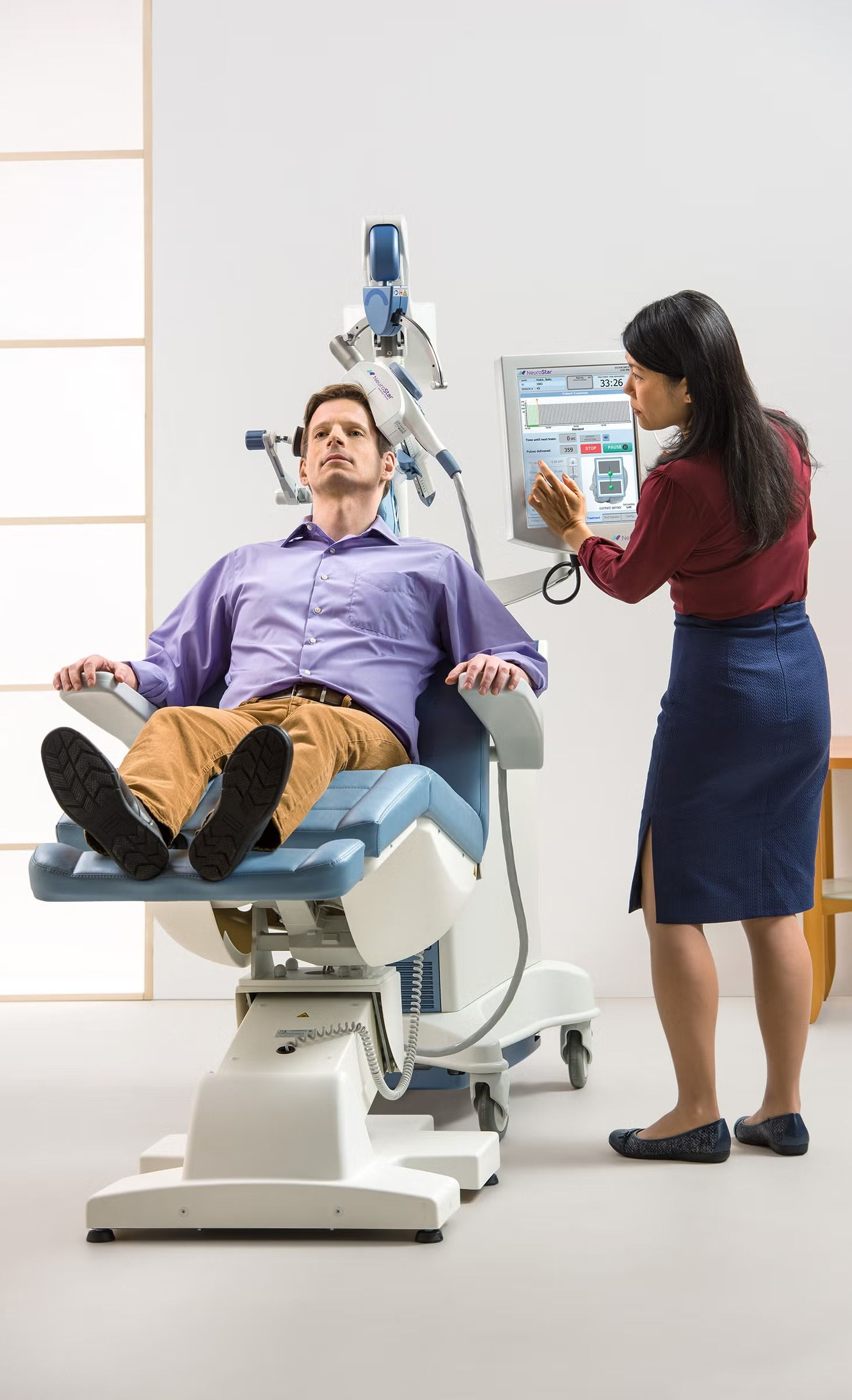
TMS is a non-invasive treatment that uses targeted magnetic pulses to stimulate specific areas of the brain involved in mood regulation. The treatment is approved by the U.S. Food and Drug Administration (FDA) for certain patients with major depressive disorder, and it may also be appropriate for other conditions depending on the clinical situation and current FDA clearances.
Unlike surgical procedures, TMS
does not require incisions or implanted devices. It is performed in an outpatient setting under the supervision of trained healthcare professionals.

Does TMS Hurt?
One of the most common questions patients ask is whether TMS is painful.
Most people describe the sensation as a light tapping or knocking feeling against the scalp during treatment. Some patients experience mild discomfort or scalp sensitivity during the first few sessions as they become accustomed to the stimulation. These effects are generally temporary, and many individuals report that they lessen as treatment continues.
Your treatment team will work closely with you to maximize comfort throughout the process.
Will I Need Anesthesia or Sedation?
No. TMS does not require anesthesia or sedation.
Because patients remain awake and alert during each session, they are typically able to resume their normal daily activities afterward. This allows many people to schedule appointments before work, during a lunch break, or later in the day without requiring extended recovery time.
Your provider will discuss any activity recommendations that are specific to your individual circumstances.

How Long Does Treatment Take?
Individual treatment schedules vary depending on the treatment protocol prescribed by your psychiatrist.
Many patients receive treatments several days per week over the course of multiple weeks. Individual sessions are generally brief, allowing patients to fit appointments into their regular routines.
Your provider will explain the recommended treatment schedule, expected duration, and follow-up plan before treatment begins.
When Will I Notice Results?
This is another question patients frequently ask, and the answer differs from person to person.
Some individuals begin noticing changes in their symptoms during the course of treatment, while others may experience improvements later in the treatment series or after completing it. Because every patient’s response is unique, it is important to maintain realistic expectations and continue communicating with your treatment team throughout the process.
Your psychiatrist will monitor your progress and determine whether adjustments to your overall treatment plan are appropriate.

Is TMS Used by Itself?
TMS is often incorporated into a broader mental health treatment plan rather than replacing every other form of care.
Depending on an individual’s needs, treatment may also include psychiatric medication management, psychotherapy, lifestyle modifications, and regular follow-up appointments. Combining evidence-based approaches allows providers to develop personalized treatment plans designed around each patient’s unique circumstances.
A comprehensive evaluation helps determine which combination of treatments may be most appropriate.
Taking the Next Step Toward Treatment
Choosing a treatment for depression is a personal decision that should be made in partnership with an experienced mental health professional. Asking questions, learning about available options, and understanding what to expect can help you make informed decisions about your care.
At Apex Interventional Psychiatry, our team is committed to providing compassionate, evidence-based care tailored to each individual. If you have questions about TMS or would like to learn whether you may be a candidate, we invite you to schedule a comprehensive evaluation. Together, we can discuss your symptoms, review your treatment history, and develop a personalized plan designed to support your mental health goals.