
How Psychiatrists Decide Between Medication, TMS, and SPRAVATO®
Depression treatment is not one-size-fits-all. Two people with similar symptoms may respond very differently to the same medication or therapy. For that reason, psychiatrists consider a patient’s diagnosis, treatment history, symptom severity, medical history, previous side effects, personal preferences, and other clinical factors before recommending the next step.
For some patients, medication management remains an appropriate starting point or ongoing strategy. Others may be candidates for treatments such as transcranial magnetic stimulation (TMS) or SPRAVATO® (esketamine). The decision generally comes from a comprehensive psychiatric evaluation rather than simply choosing one treatment over another.
Medication Is Often an Important Starting Point
Antidepressant medications remain an established component of depression treatment. A psychiatrist may consider which medications a patient has already tried, how long they were taken, whether the doses were adequate, how symptoms changed, and whether side effects occurred.
Medication management is also an ongoing process. Treatment may involve adjusting a dose, changing medications, or reassessing whether a particular medication continues to provide sufficient benefit.
If depression remains persistent despite appropriate treatment attempts, the psychiatrist may begin considering additional options.

When TMS May Enter the Conversation
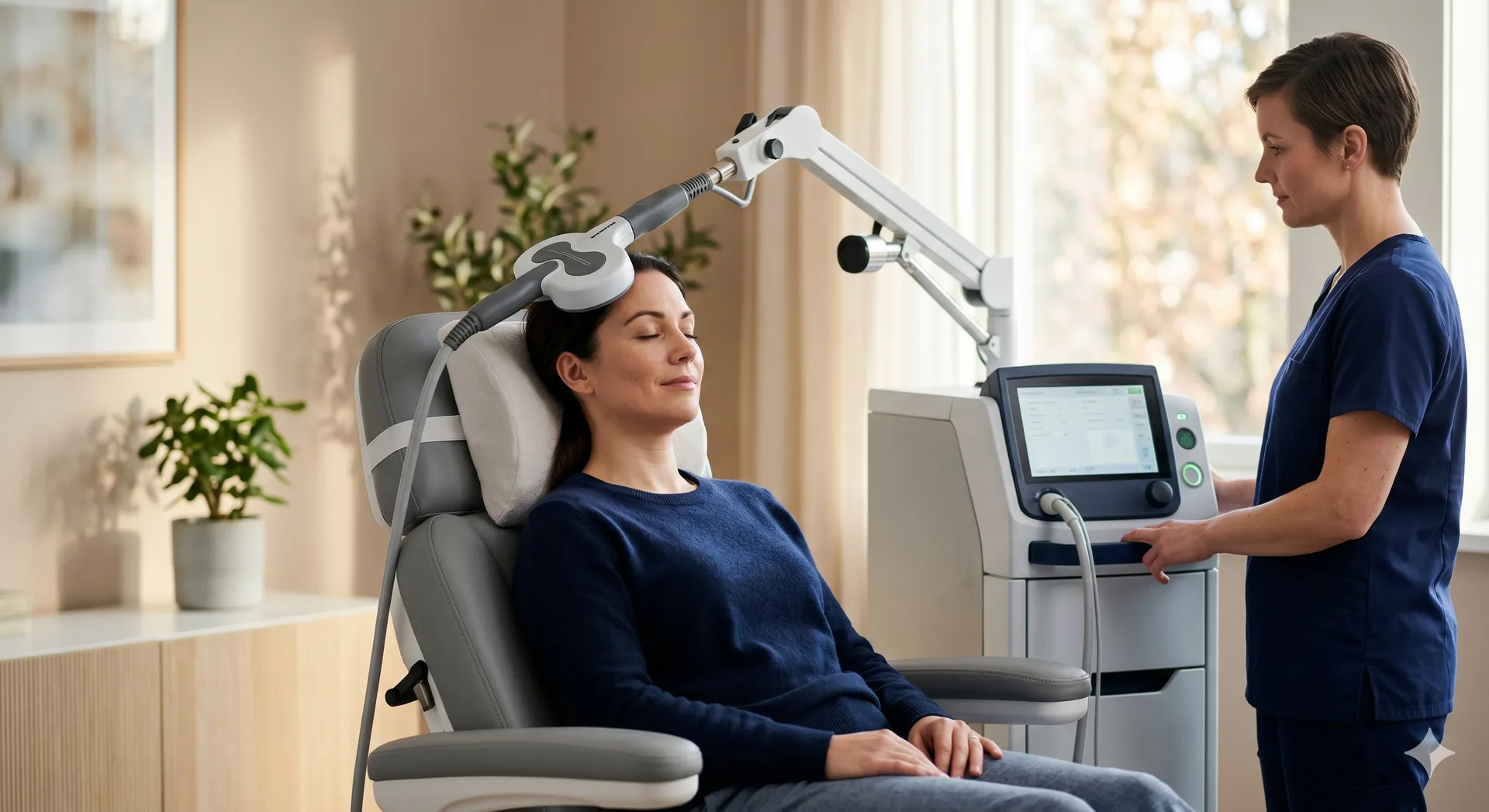
Transcranial magnetic stimulation, or TMS, is a noninvasive brain stimulation therapy. It uses an electromagnetic coil positioned near the head to deliver magnetic pulses that stimulate targeted neural circuits. NIMH describes repetitive TMS as a noninvasive treatment used for depression and other psychiatric disorders, particularly in situations where conventional treatments have not provided sufficient improvement.
A psychiatrist evaluating TMS may consider a patient’s previous treatment response, diagnosis, medical history, and potential risk factors.
One feature that distinguishes TMS from medication is that it does not require a drug to circulate throughout the body. Treatment is delivered during a series of outpatient sessions, and patients typically undergo a course of treatments rather than a single procedure.
For people who have experienced inadequate results from antidepressants or difficulty tolerating medication side effects, TMS may be one option worth discussing with a psychiatric provider.
When SPRAVATO® May Be Considered
SPRAVATO® is the brand name for esketamine nasal spray. It is FDA-approved for adults with treatment-resistant depression, either with or without an oral antidepressant. It is also approved, when used with an oral antidepressant, for depressive symptoms in adults with major depressive disorder accompanied by acute suicidal ideation or behavior.
Treatment-resistant depression generally refers to depression that has not responded adequately to multiple appropriate antidepressant treatments.
SPRAVATO® is administered differently from conventional daily medication. Because of risks including sedation, dissociation, respiratory depression, abuse, and misuse, it is available through a restricted FDA Risk Evaluation and Mitigation Strategy, or REMS. Treatment must take place in a certified healthcare setting, and patients must be monitored for at least two hours following administration.
These requirements make careful patient selection and medical supervision particularly important.

Treatment History Helps Guide the Decision
One of the most important factors in determining what to try next is what has already been tried.
A psychiatrist may review previous medications, treatment duration, dosage, side effects, psychotherapy history, and the degree of improvement achieved. The provider may also evaluate whether another medical or psychiatric condition could be contributing to ongoing symptoms.
A person who has never received adequate medication treatment may have a different treatment plan from someone who has experienced persistent depression despite several appropriate medication trials.

Personal Circumstances Matter Too
Clinical eligibility is only part of the decision.
Scheduling, transportation, treatment frequency, ability to attend appointments, medical conditions, medications, and individual preferences can all influence which option is practical.
TMS requires a series of treatment visits. SPRAVATO® requires administration and observation in a certified healthcare setting and transportation planning because patients should not drive afterward. Medication management involves its own considerations, including adherence, side effects, and regular follow-up.
Finding the Right Treatment Path
Medication, TMS, and SPRAVATO® are not competing treatments with one universally “best” choice. Each addresses depression differently, and the appropriate approach depends on the individual patient.
Apex Interventional Psychiatry provides comprehensive psychiatric evaluation, medication management, TMS, and SPRAVATO® treatment for patients who may need alternatives beyond conventional approaches. If depression continues despite previous treatment, contact Apex Interventional Psychiatry to schedule an evaluation and discuss which options may be appropriate for your individual needs.