Understanding Spravato: How Esketamine Therapy Works and Who It May Help

May 5, 2026
Person holding a nasal spray dispenser near their nose, preparing to use it

How Esketamine Therapy Works

Esketamine targets a neurotransmitter system in the brain known as glutamate, which plays a role in mood regulation, cognition, and neural communication. Traditional antidepressants primarily affect serotonin, norepinephrine, or dopamine pathways. Esketamine works differently by influencing glutamate activity and supporting the formation of new neural connections.


This process is sometimes described as promoting “neuroplasticity,” or the brain’s ability to adapt and reorganize. By enhancing communication between brain cells, esketamine may help improve mood and reduce symptoms in individuals who have not experienced sufficient benefit from other treatments.


Because of this unique mechanism, esketamine therapy is considered part of a more targeted, interventional approach to mental health care.


Who Might Benefit From Spravato

Spravato is not intended for every patient with depression. It is typically considered for individuals who have tried multiple antidepressant medications without achieving meaningful improvement. These cases are often referred to as treatment-resistant depression.


It may also be considered in situations where symptoms are more severe and require a different therapeutic approach. Determining whether Spravato is appropriate involves a comprehensive evaluation that takes into account medical history, previous treatments, and current symptoms.


At Apex Interventional Psychiatry, this evaluation process is an essential step in ensuring that any advanced therapy aligns with the patient’s individual needs and treatment goals.

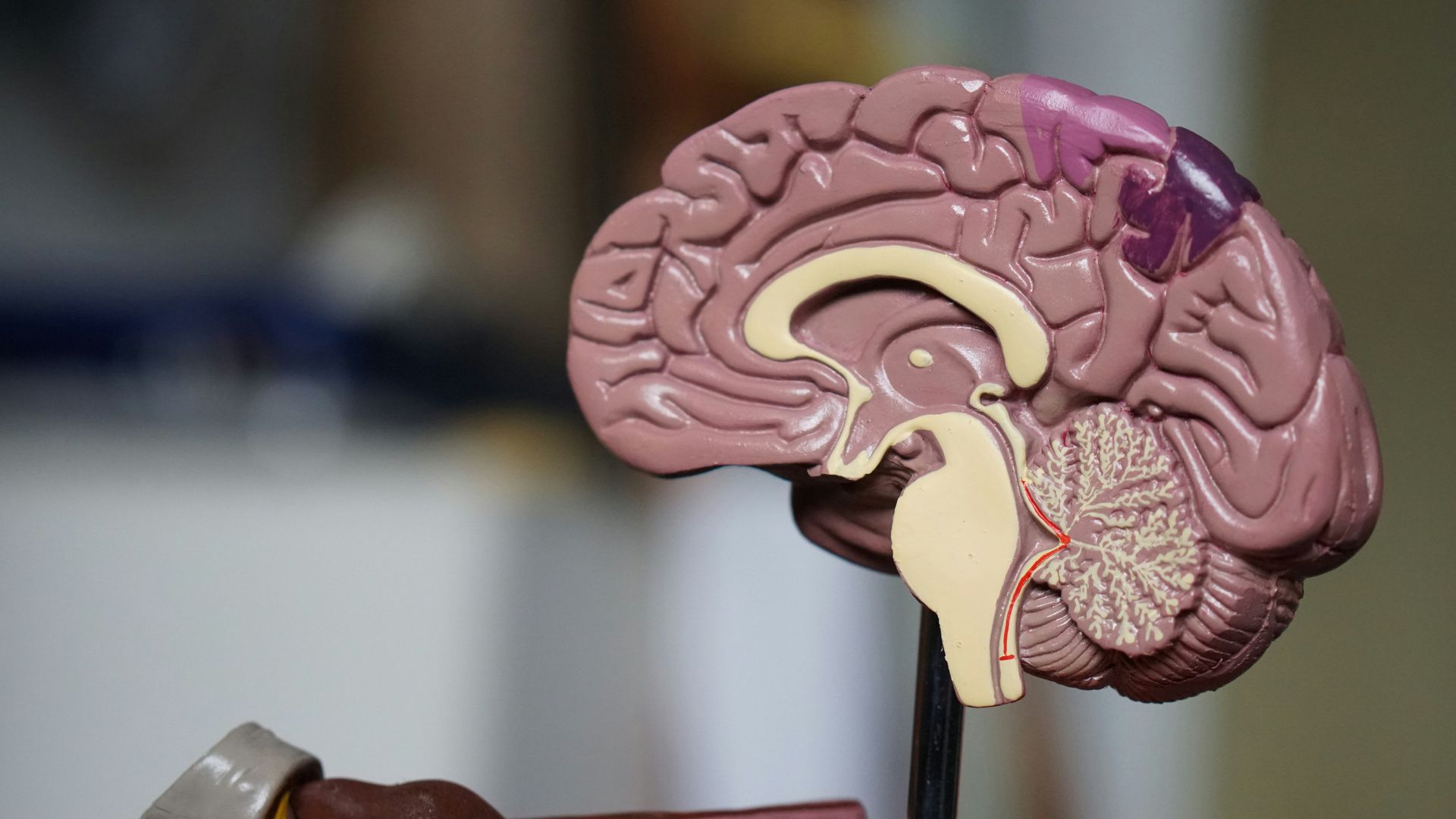
Anatomical brain model on a stand, showing side cross-section with pink and beige parts.
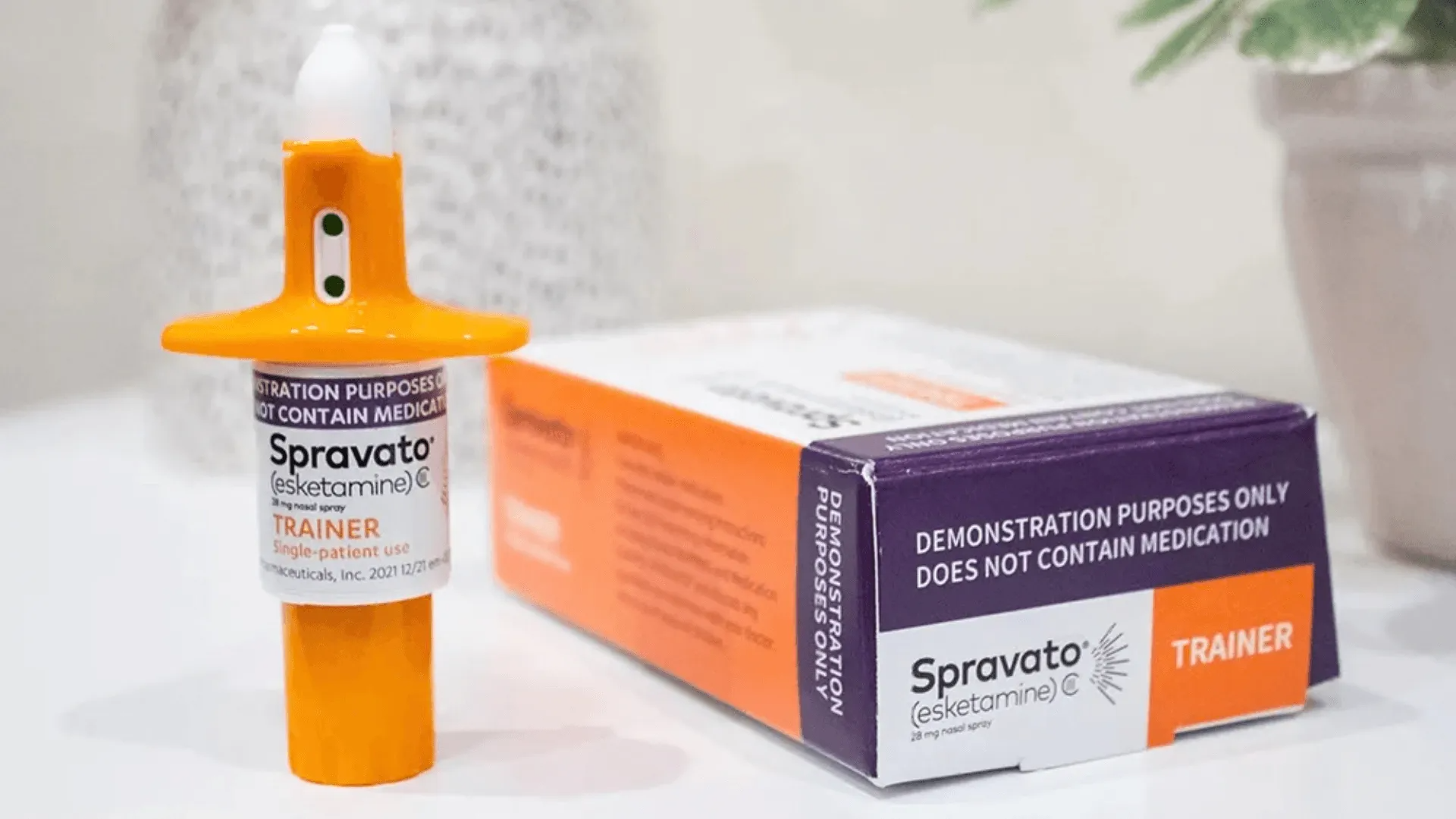
Spravato nasal spray bottle and orange-and-white box on a light surface
White brain illustration on a black background

A New Option in Mental Health Care

For individuals who have not found relief through traditional treatments, Spravato represents an important development in mental health care. Its unique mechanism and structured administration provide an alternative pathway that may offer meaningful improvement for certain patients.


Exploring this option begins with understanding how it works and whether it is appropriate for your situation. Apex Interventional Psychiatry provides comprehensive evaluations and personalized care to help determine the most effective treatment approach.


If you are considering advanced treatment options or would like to learn more about Spravato therapy, contact Apex Interventional Psychiatry to schedule a consultation and discuss whether this approach may be right for you.


Two people in white coats talking on a couch, one holding a clipboard in a living room setting.
Coffee cup beside clipboard with documents, pen, and notebook on a desk
Person in white top holding eyeglasses over crossed black-clad legs on a sofa.
Person in a black hoodie sits on a green couch behind a glass coffee table in a bright living room.
People in a group discussion, one taking notes on a clipboard and holding a pen.
April 28, 2026
Mental health care has evolved significantly over time , but many people are still most familiar with traditional approaches such as medication management and psychotherapy. While these methods remain important and effective for many individuals, they do not always provide complete relief, particularly in more complex or persistent cases. Interventional psychiatry represents a newer, more targeted approach that expands treatment options and offers additional pathways for care.  Understanding what interventional psychiatry is and how it differs from traditional care can help patients make more informed decisions about their treatment. Defining Interventional Psychiatry Interventional psychiatry is a specialized area of mental health care that focuses on advanced, evidence-based treatments designed to directly influence brain function. Rather than relying solely on oral medications or talk therapy, this approach incorporates procedures and targeted therapies that are intended to address underlying neurological activity associated with mental health conditions. These treatments are often considered when standard approaches have not produced the desired results. The goal is to provide additional options that are tailored to the individual, especially for those who may be experiencing treatment-resistant conditions .